Removing Tattoos
The main safe and effective way to remove or significantly fade a tattoo today is professional laser treatment, usually done over multiple sessions. Other options like surgical excision or dermabrasion exist, but they are more invasive and more likely to leave visible scars.
Main removal options:
Laser removal
- Uses very short, high‑energy light pulses to break tattoo ink into tiny particles that your immune system can clear over time.
- Works best on darker inks (black, dark blue); lighter colors like yellow and green can be harder and may never fully disappear.
- Usually requires several sessions spaced weeks apart, and complete removal is not guaranteed.
Surgical excision
- The tattooed skin is cut out and the edges are stitched together.
- This is the only method that can reliably remove a tattoo in one go, but it always leaves a scar and is usually reserved for small tattoos.
Dermabrasion and similar methods
- A rotating abrasive device or similar technique “sands” or removes the upper layers of skin so ink can escape or be removed.
- Less commonly used today because results are less predictable and scarring or color changes are more likely compared with modern lasers.
What to avoid
- At‑home removal methods (salt, acids, creams, “natural” scrubs, etc.) can cause burns, infections, and bad scarring and usually do not remove the tattoo effectively.
- Over‑the‑counter “tattoo removal creams” may lighten the skin’s surface a bit but generally cannot reach deeper ink and often do not live up to marketing claims.
Factors affecting results
- Ink color and density, tattoo age, size, and professional vs amateur work all change how many sessions you need and how well it will fade.
- Your skin type, body location (extremities like ankles are slower), and how your body heals also strongly influence outcome and risk of scarring.
Choosing and preparing
- Best practice is to consult a qualified dermatologist or plastic surgeon who regularly does tattoo removal and can assess your tattoo, skin, and medical history.
- You can ask about expected number of sessions, possible scarring or pigment changes, pain control options, aftercare, and total cost before deciding.
If you tell what tattoo you’re thinking about removing (size, colors, where it is, how old, and whether your skin marks easily), a more tailored idea of likely options and what to expect can be given.
Covering a tattoo with a new one
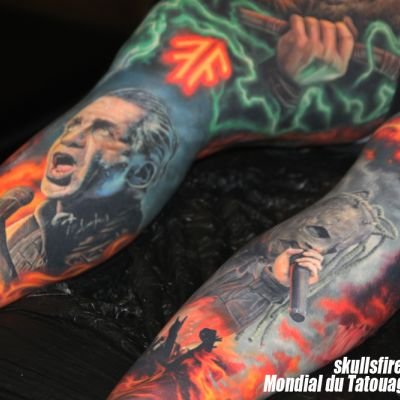
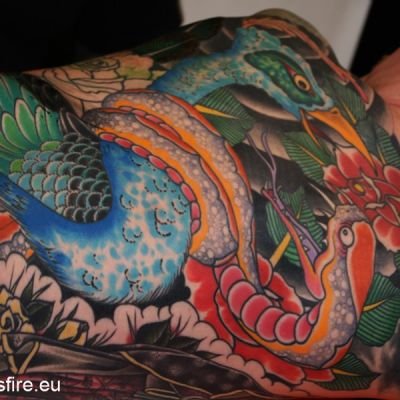
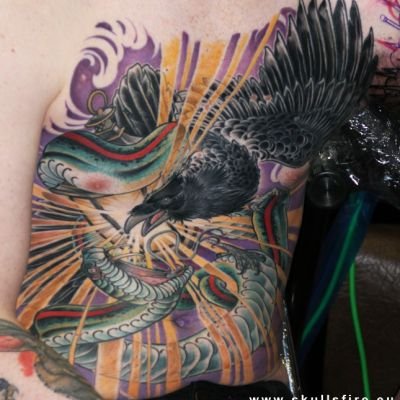
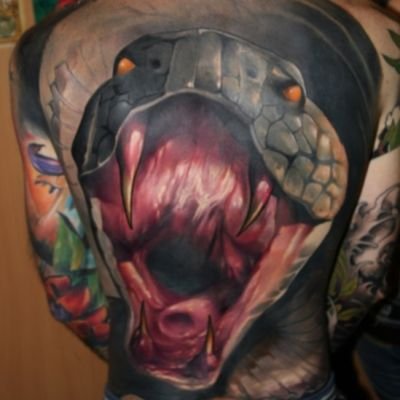
Covering a tattoo involves inking a new design over an existing one to conceal it completely, often requiring a larger, darker, or more intricate pattern than the original. This process works by depositing fresh ink into the dermis layer where the old tattoo resides, using techniques like bold shading, textures (such as scales or fur), and color blending to mask underlying lines and colors. Given your interest in tattoo preparation, pain management, and removal options, a cover-up serves as a creative alternative to laser treatments.
Cover-Up Process
Consult a specialized cover-up artist who reviews your old tattoo's size, colors, and placement to design a fitting overlay. The artist sketches a stencil, adjusts for full coverage—often enlarging the area—and tattoos over it, sometimes after lightening stubborn ink via laser if needed. Healing follows standard tattoo aftercare: clean gently, moisturize, and protect from sun, though it may take longer due to denser ink.
Key Tips
- Opt for darker inks and textured elements over solid black, as they better camouflage varying old ink densities.
- Expect the new tattoo to be bigger for effective hiding; show the artist similar past work examples.
- Research artists via portfolios, prioritizing those experienced in cover-ups to avoid poor results.