


The history of tattoo from the beginnings to today
Tattooing is one of the oldest continuous human practices, appearing independently in many cultures for at least 5,000–7,000 years, and evolving from ritual, medical, and social marking into today’s global art form and fashion statement. Its meanings have shifted over time—from status, protection, and punishment to personal identity, aesthetics, and fine art.
Prehistoric and ancient origins
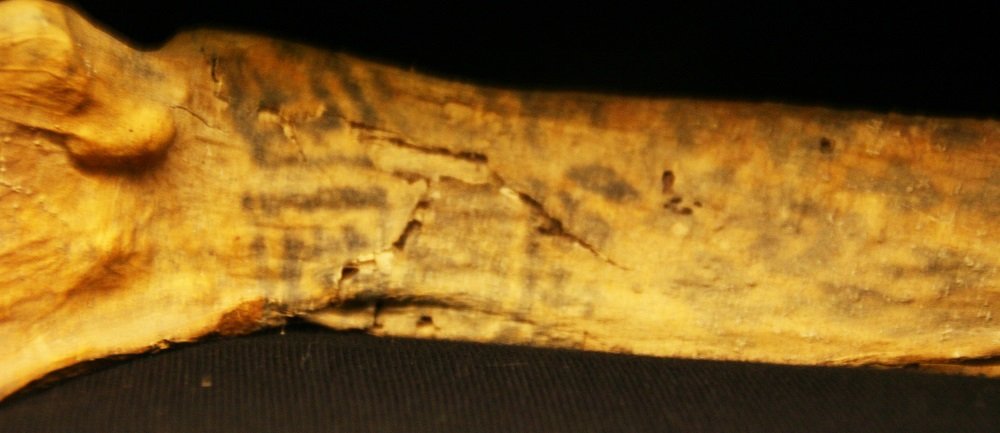
Archaeological evidence shows tattooing in prehistoric Europe and the Near East, with tools and figurines suggesting skin marking in the Upper Paleolithic, even before direct skin evidence survives. The oldest clearly tattooed human remains include Ötzi the Iceman (Alps, late 4th millennium BCE) and Egyptian mummies more than 4,000 years old, whose tattoos may have had therapeutic, ritual, or protective roles.
In ancient Mediterranean and Near Eastern societies, tattoos could mark group identity, rank, or stigma. Among some Balkan, Scythian, and Thracian peoples they signaled nobility and tribal origin, while Greeks and Romans used tattooing to identify slaves, criminals, and sometimes soldiers or spies. In the Americas, civilizations such as the Maya, Inca, and Aztec incorporated tattoos into religious and social rituals, connecting body art with offerings, courage, and adulthood.
Asia and the Pacific
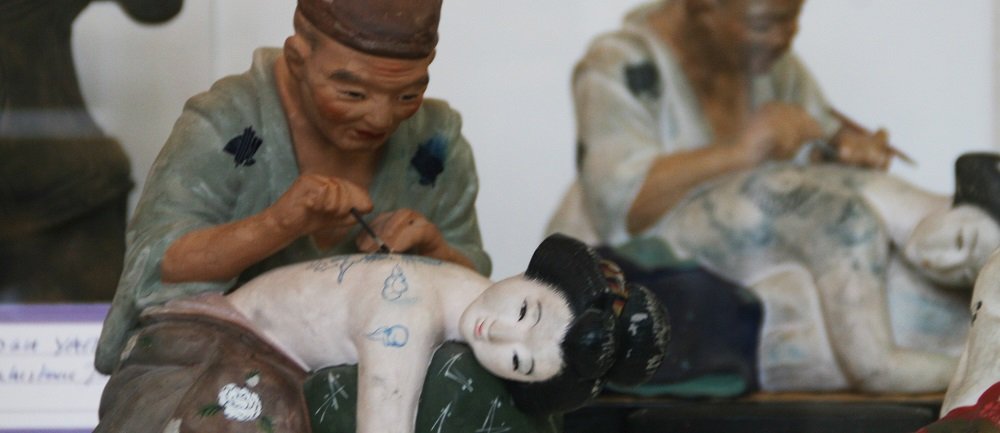
In Japan, early tattooing mixed ornamental and punitive uses: certain offenders were permanently marked, but decorative full‑body designs later developed into the sophisticated irezumi tradition linked with craftspeople and, eventually, the underworld. In parts of China and Southeast Asia, tattoos could mark ethnic identity, spiritual protection, or “outsider” status, depending on the region and historical moment.
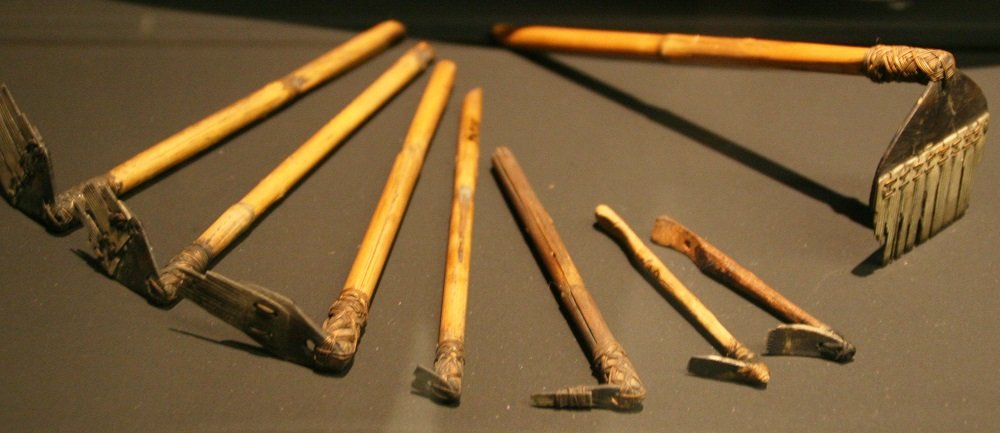
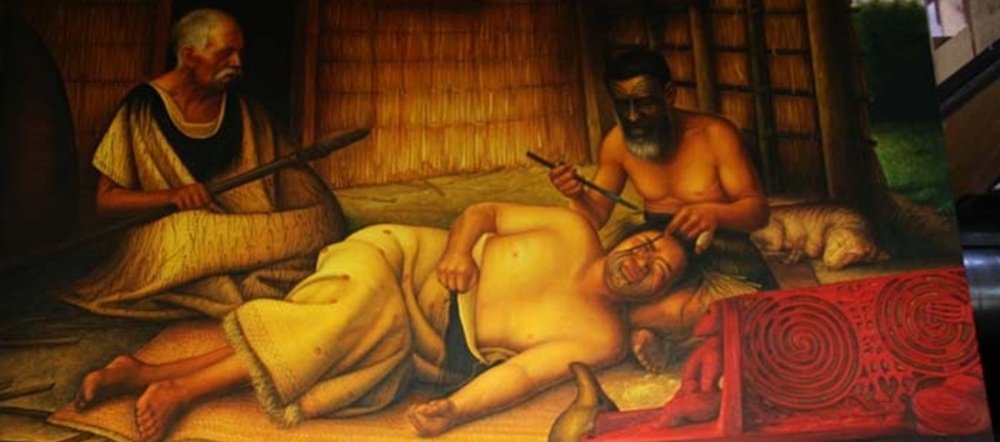
Across Polynesia and wider Oceania, tattooing became a central cultural institution at least 2,000 years ago, with complex motifs recording genealogy, achievements, and spiritual relationships. Samoan, Tongan, Marquesan, Māori, Micronesian, and Hawaiian traditions all developed distinct patterns and techniques, using tools such as combs with bone or shark teeth tapped into the skin, and artists held a status comparable to priests.
Middle Ages to early modern Europe
During the European Middle Ages, tattooing never disappeared but was largely confined to specific groups such as pilgrims, crusaders, and some warrior elites. Pilgrims and crusaders sometimes had small crosses or religious symbols tattooed as proof of devotion and to ensure a Christian burial if they died far from home.
From the 16th to 18th centuries, global exploration brought intense European contact with Indigenous tattoo cultures, especially in the Pacific. Captain James Cook’s voyages in the late 18th century exposed British and European sailors to Polynesian tattooing, and the word “tattoo” in European languages derives from Tahitian and related Polynesian terms like “tatau.”
Birth of modern tattooing
By the 18th and 19th centuries, Western sailors had adopted tattoos to record voyages, comradeship, and superstitions, helping to establish nautical symbols such as anchors and swallows. In the 19th century, tattooing spread from ports and military circles into broader European and American urban life, including circuses and royal or aristocratic patrons fascinated by the exotic and the sensational.
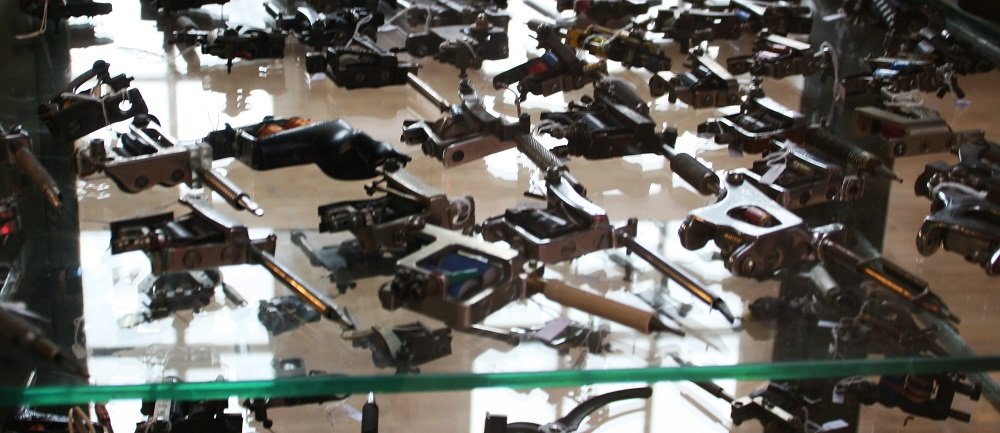
A key technical turning point was the invention of the electric tattoo machine, patented in 1891 by Samuel O’Reilly in New York and based on Thomas Edison’s earlier electric engraving pen. This device made tattooing faster, more consistent, and somewhat less painful, laying the groundwork for permanent studios, repeatable designs, and the professionalization of the craft in cities across Europe and North America.
From stigma to mainstream art today
In the early and mid‑20th century, tattoos in the West were strongly associated with sailors, soldiers, laborers, prisoners, and various countercultures, often symbolizing rebellion, toughness, or group loyalty. At the same time, some states used tattooing coercively, most horrifically in the identification numbers forcibly inked on victims in Nazi concentration camps, which left a lasting trauma linked to the practice in parts of Europe.
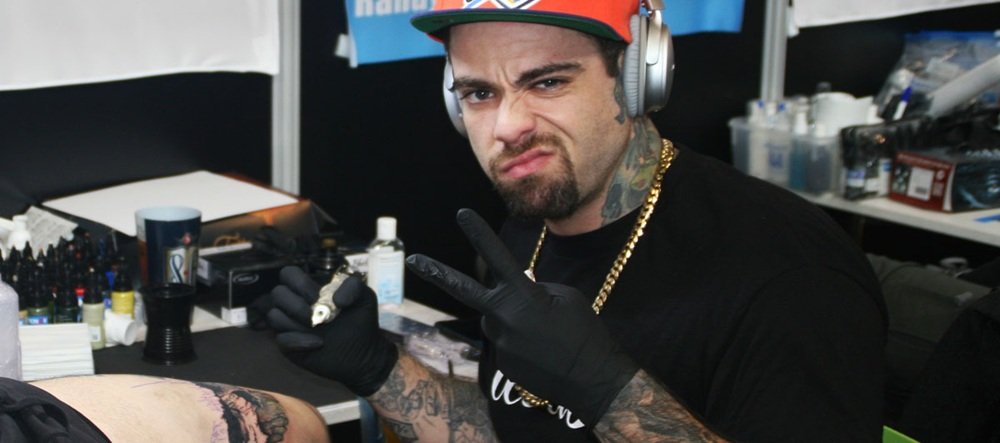
From the 1970s onward, a “tattoo renaissance” transformed the medium into a global art form, as artists drew on Japanese, Polynesian, tribal, biomechanical, and fine‑art influences, and improved pigments and hygiene standards. By the late 20th and early 21st centuries, tattoos became widespread across genders and social classes, with visible ink normalized among celebrities, athletes, professionals, and youth; in some regions, roughly one in seven or more adults now has at least one tattoo.
Contemporary trends and meanings
Today, tattooing blends traditional cultural revivals with highly individualized and commercial practices: Indigenous communities in Polynesia, New Zealand, the Arctic, and elsewhere are reclaiming ancestral designs, while studios in cities worldwide offer styles from minimalist line work to photorealism. New technologies such as safer pigments, refined machines, and even experimental removable or medical tattoos coexist with ongoing debates about cultural appropriation, regulation, and health standards.
Across this long history, the constant theme is using the skin as a permanent record: of pain and healing, rank and rebellion, faith, memory, and personal narrative, making tattooing one of humanity’s most enduring forms of self‑expression.